
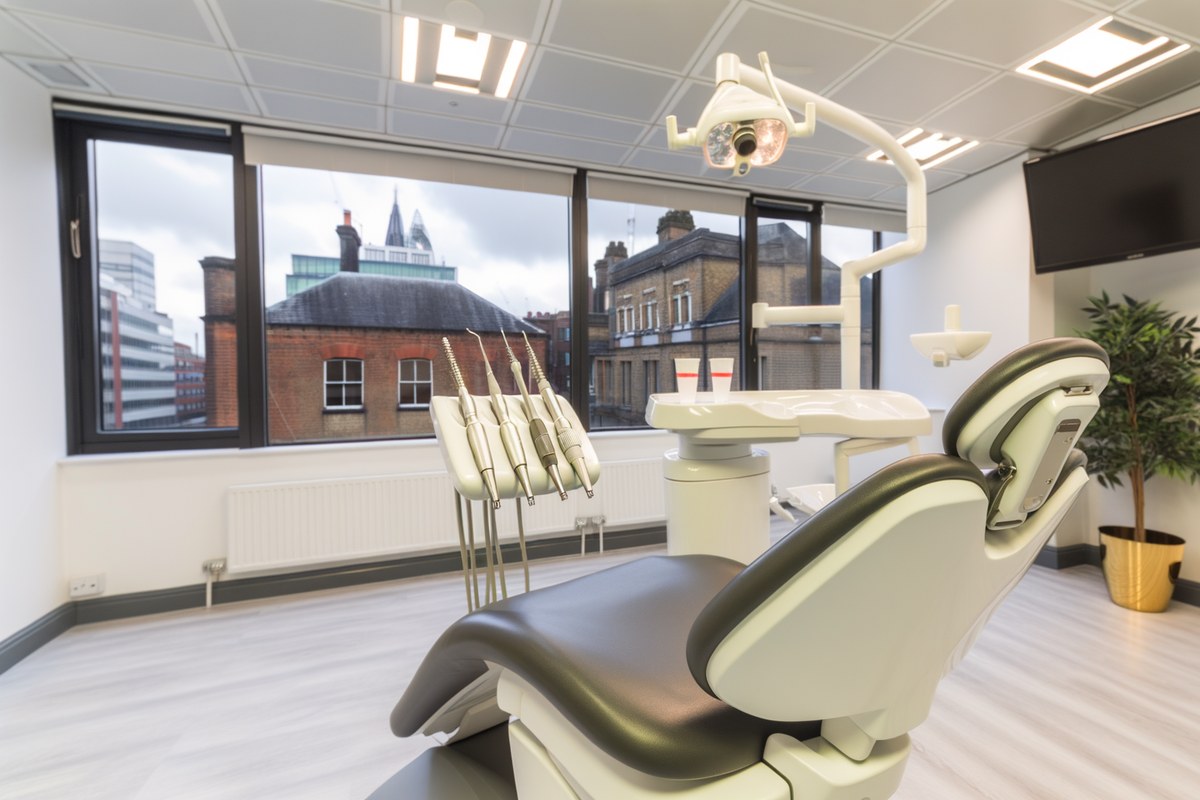
Dental Implant Treatment in London: Pain Guide for Fear

Understanding Dental Implant Treatment
Dental implant treatment is a process that involves replacing missing teeth with artificial ones that look and function like natural teeth. For many individuals, the thought of undergoing this procedure can lead to feelings of anxiety and fear, especially concerning pain management during the treatment. In this guide, we aim to equip you with essential insights about dental implant treatment in London, specifically focusing on addressing concerns surrounding pain.
What to Expect During the Procedure
The dental implant procedure is typically carried out in several stages. Understanding each phase can help reduce anxiety by demystifying the process:
[elementor-template id=”3880″]
- Initial Consultation: Your journey begins here, where a dental professional will assess your oral health, discuss your medical history, and create a customized treatment plan.
- Implant Placement: The dentist will surgically place the titanium (or other biocompatible material) implant into the jawbone, serving as a root for the new tooth. Anesthesia is used during this stage to minimize discomfort.
- Osseointegration: Following the implantation, a healing process occurs where the implant integrates into the jawbone, which can take several months. This step is crucial for the stability of the implant.
- Abutment Placement: After osseointegration, a small connector known as an abutment is fixed to the implant. This will hold the replacement tooth in place. Local anesthesia is typically used again to ensure comfort.
- Final Prosthetic Placement: Once the gums have healed, your custom-made crown or bridge will be placed onto the abutment. If properly cared for, your dental implants can last a lifetime.
Addressing Pain Concerns
The most common fear associated with dental implant procedures is pain. However, advancements in modern dentistry have significantly reduced discomfort during treatment. Here’s how:
- Local Anesthesia: Most procedures are performed under local anesthesia, ensuring the treatment area is numb and patients remain comfortable throughout the process.
- Sedation Options: For anxious patients, various sedation methods are available, allowing you to remain relaxed and calm during your visit. Options range from nitrous oxide “laughing gas” to oral sedatives or IV sedation.
- Post-Operative Care: After the procedure, your dentist will provide guidelines on managing discomfort and preventing infections. Pain medication may be prescribed to ease any post-surgical pain.
It’s important to communicate any anxiety or pain concerns with your dental team so they can tailor their approach to your comfort.
Why Choose London for Dental Implant Treatment?
London is a hub for premier dental care, offering access to the latest technology and highly skilled practitioners. Here are a few reasons to consider dental treatments in London:
- Experienced Professionals: The city is home to some of the most skilled dentists and oral surgeons, providing reassurance for those worried about procedure quality.
- Advanced Technology: Clinics are equipped with state-of-the-art technology that enhances treatment precision and patient comfort.
- Comprehensive Care: Dental facilities in London can cater to all aspects of dental health, making it easier to manage multiple dental needs.
With this comprehensive understanding of the dental implant treatment process and addressing common fears relating to pain, patients can approach their journey towards restored dental health with more confidence. For more information, visit our site here. For additional insights into dental procedures, feel free to check this external source.
Understanding Pain During Dental Implant Treatment
Many individuals have a strong aversion to dental procedures due to the fear of pain. Understanding what to expect can significantly alleviate these worries. Pain during dental implant treatment can be categorized into three main phases: before, during, and after the procedure.
1. Pre-Procedure Anxiety
Before any dental treatment, including implants, patients may experience anxiety about pain. Knowing that advanced sedation techniques and comprehensive pain management strategies exist can ease these fears. Most clinics in London offer sedation options such as:
- Local Anesthesia: This numbs the specific area being treated, allowing patients to feel relaxed and pain-free during the procedure.
- IV Sedation: For patients with heightened anxiety, IV sedation can be administered to provide a deeper level of relaxation.
2. Pain Management During the Procedure
During the dental implant procedure itself, the use of anesthesia ensures that patients will not feel any pain. Many patients describe the procedure as painless, similar to a minor dental filling. Understanding this can significantly reduce fear:
- Minimal Discomfort: Patients may feel pressure but should experience minimal discomfort, thanks to the effectiveness of anesthetics.
- Expert Techniques: Skilled dental surgeons use precise methods to ensure that the surgical process is as comfortable as possible.
3. Post-Procedure Pain
While the surgery itself might be painless, it’s normal to feel some discomfort and swelling in the days following the procedure. Here’s how to manage any post-procedure pain:
- Over-the-Counter Pain Relievers: Non-prescription medications like ibuprofen or acetaminophen can be effective in managing discomfort.
- Follow-Up Care: Ensure you attend any scheduled follow-up visits to monitor healing and address any concerns that arise.
- Ice Packs: Using an ice pack on the cheek can reduce swelling and numb the area, providing comfort.
Dealing with Dental Anxiety
The fear of pain is one of the primary reasons people avoid visiting the dentist or pursuing necessary treatments like dental implants. However, it’s crucial to address dental anxiety proactively. Here are some strategies:
- Communicate With Your Dentist: Discuss your fears openly with your dental professional. They can provide specific information, soothing your worries.
- Bring a Support Person: Having a friend or family member accompany you can provide emotional support and reassurance.
- Practice Relaxation Techniques: Techniques such as deep breathing, visualization, or listening to calming music can help reduce anxiety levels.

Your Comfort Matters
Ensuring patient comfort throughout the dental implant process is a priority for clinics in London. Many facilities invest in creating a patient-friendly environment, which includes:
- Comfortable Waiting Areas: Designed to reduce anxiety, these spaces often feature calming decor and amenities.
- Personalized Care Plans: Each patient’s treatment is tailored to their specific needs, including pain management approaches, ensuring they feel cared for.
In conclusion, while the fear of pain is common among those considering dental implant treatment, it should not deter you from seeking the essential care you need. By understanding the steps involved and implementing strategies to combat anxiety, patients can find comfort in their journey toward a healthier smile. For more information, visit our site here. For additional insights into dental procedures, feel free to check this external source.
[elementor-template id=”3881″]
Understanding Pain Management Techniques
When considering dental implant treatment, one of the most significant concerns patients express is the anticipated pain during and after the procedure. Understanding the methodologies and techniques available for pain management can significantly alleviate these fears. Dentists in London prioritize patient comfort by employing various pain-relief options, including:
- Local Anesthesia: Administered directly to the area undergoing treatment, local anesthesia ensures that patients remain numb during the implant insertion process, significantly reducing pain and discomfort.
- IV Sedation: For patients with heightened anxiety, intravenous (IV) sedation can provide a calm and relaxed state while still allowing the dentist to communicate regarding the procedure.
- Oral Sedatives: An alternative for those who prefer not to undergo IV sedation, oral sedatives can help patients feel more relaxed before their appointment.
- Cognitive Behavioral Therapy (CBT): Some clinics may recommend CBT techniques to help manage anxiety surrounding dental visits, focusing on changing negative thought patterns.
Post-Procedure Pain Management
Following the dental implant procedure, some patients may experience discomfort as the area heals. Dentists will provide specific instructions tailored to each individual. Common recommendations may include:
- Over-the-Counter Pain Relievers: Medications like ibuprofen or acetaminophen are often sufficient to manage post-operative pain.
- Cold Compresses: Applying a cold pack to the outside of the face can help reduce swelling and numb the area, providing additional relief.
- Soft Foods: Eating soft foods for a few days post-surgery can prevent irritation and further discomfort at the implant site.
Choosing the Right Dental Clinic
When addressing your fears about the pain associated with dental implant treatment, choosing the right clinic in London can have a profound impact on your overall experience. Look for clinics that offer:
- Experienced Professionals: Ensure that the dental team has extensive experience in performing dental implants, as this can lead to more predictable outcomes and less discomfort.
- Patient Testimonials: Online reviews and testimonials from previous patients can provide insight into the level of care and comfort one might expect.
- Advanced Technology: Clinics equipped with state-of-the-art technology can enhance precision during the procedure, ultimately reducing discomfort.
Building a Trusting Relationship
Establishing a trusting relationship with your dental provider is crucial. Open communication about your pain fears can lead to better personalized care that directly addresses your concerns. During consultations, do not hesitate to:
- Ask about the details of the procedure to understand what to expect.
- Discuss pain management options and express any past experiences that may contribute to your anxiety.
- Inquire about post-operative care and what pain relief measures will be implemented immediately after the procedure.
The Healing Process
Understanding the healing process can also mitigate fears related to pain. After receiving dental implants, it is important to recognize that each individual heals differently. Factors influencing recovery time may include:
- Health Status: Pre-existing health conditions can impact healing and pain perception.
- Age: Generally, younger patients may heal faster than older individuals.
- Implant Location: The complexity of the surgery and the location of the implant can also determine recovery experiences.
Generally, following an initial recovery period in which discomfort may be expected, most patients report a significant reduction in pain and an improvement in quality of life as their implants integrate with the jawbone and provide stable, functional replacements for lost teeth.
Final Thoughts
While the fear of pain from dental implant treatment can be daunting, understanding the available options, choosing the right clinic, and establishing a trusting relationship with your dental provider can all contribute to a more positive experience. Remember that discomfort is often temporary, and the long-term benefits of a beautiful, restored smile are worth it. For more information, visit our site here. For additional insights into dental procedures, feel free to check this external source.
Managing Pain with Techniques and Support
To help alleviate the fear of pain associated with dental implant treatment, many clinics in London offer various strategies and methods to promote comfort and reduce anxiety. These include:
- Pre-Treatment Education: Understanding the procedure, what to expect during and after the surgery, and the measures employed for pain management can significantly reduce anxiety. Many dental practices provide detailed consultations where you can ask questions and clarify your concerns.
- Technology Use: Advances in dental technology have improved the precision and outcomes of implant surgery. Your dentist may utilize state-of-the-art imaging and surgical techniques that minimize invasiveness and enhance recovery.
- Sedation Options: For patients with high anxiety, sedation dentistry can be a valuable option. You may be offered sedation options ranging from nitrous oxide (laughing gas) to IV sedation or general anesthesia depending on your comfort level and the complexity of the procedure.
- Post-Operative Care: A comprehensive post-operative care plan can make a notable difference. This includes prescribed medications to manage pain and inflammation, specific instructions for oral care, and scheduled follow-ups to monitor healing.
Each of these methods can not only address pain but can also help in building trust between you and your dental provider, facilitating a more positive treatment journey.
Real Patient Experiences
Many patients in London who have undergone dental implant treatment share their experiences regarding pain and recovery. Here are some common themes:
- Individual Pain Threshold: Experiences vary widely among individuals. Some patients report only mild discomfort, akin to a dental filling, while others may experience more significant soreness. It’s essential to communicate with your dentist about your pain threshold so they can tailor the treatment to your needs.
- Support Systems: Having a supportive friend or family member present during the process can greatly ease anxiety. Not only can they provide emotional support, but they can also assist with aftercare post-surgery.
- Positive Outcomes: Patients frequently mention that the discomfort experienced during the procedure was far outweighed by the satisfaction of their new smile and restored functionality. Many express regret about their fear delaying their treatment.
The Importance of Choosing the Right Clinic
Finding a reputable clinic for dental implant treatment is critical in managing your pain fear. Look for clinics that:
- Offer Personalized Care: Clinics that focus on the unique needs of their patients often achieve higher satisfaction rates. A thorough assessment before treatment should be the norm.
- Have Experienced Professionals: Researching the credentials and experience of your dental surgeon can offer peace of mind. Reading patient reviews and testimonials may also provide insights into the clinic’s atmosphere and pain management practices.
- Maintain a Comfortable Environment: The atmosphere of the clinic can influence your overall comfort. Clinics that prioritize patient comfort—such as having calming decor, friendly staff, and modern amenities—can help ease your fears.
Conclusion: Embracing the Journey
Ultimately, partnering with a compassionate and experienced dental provider can enhance your confidence in managing pain during dental implant treatment. It’s essential to address your fears openly and seek out resources that prioritize patient wellbeing. Always remember, the discomfort you may experience during treatment is temporary compared to the long-lasting benefits of improved oral health and aesthetics. If you’re considering taking the next step towards restoring your smile, visit our site here for more information. For additional insights into dental procedures and an in-depth understanding of the process, feel free to check this external source.
[elementor-template id=”3882″]
Frequently asked questions
What should I expect during dental implant treatment?
You can expect a thorough assessment, pain management options, and a detailed explanation of the procedure. Sedation will be offered to minimize discomfort.
How painful is dental implant treatment?
Most patients experience minimal pain. Anesthesia is used extensively. Post-treatment discomfort can be managed with over-the-counter painkillers.
What pain relief options are available during the procedure?
Local anesthesia, sedation, and in some cases, general anesthesia are available to ensure your comfort throughout the treatment.
How long does the pain last after the treatment?
Pain and swelling are usually most significant during the first 48 hours, but they typically subside within a few days.
Can I eat after dental implant surgery?
It’s recommended to stick to soft foods for the first few days after surgery to aid healing and minimize discomfort.
Contact us today for your dental implant consultation!